


PlAyGrOuNdS
The only way I can truly understand something is by physically engaging with it. I need to walk through it, crawl up it, roll down it, swim in it. I use my fingertips—not just my brain—to observe and solve problems. Unfortunately, computers don't allow for that.
Playgrounds are rare civic infrastructure for people still learning how the world works. They are public, social, and physical. Over the past four years, I've been working to make the abstract ideas of computer science tangible—even when you're on your hands and knees.
Children are full-bodied, social, and imaginative learners. They don't need to sit still to understand computers. They need ways to feel these ideas early, practice them with others, and build confidence to shape the world they inhabit.
RuOhOlAhTi
Helsinki, Finland — 2024
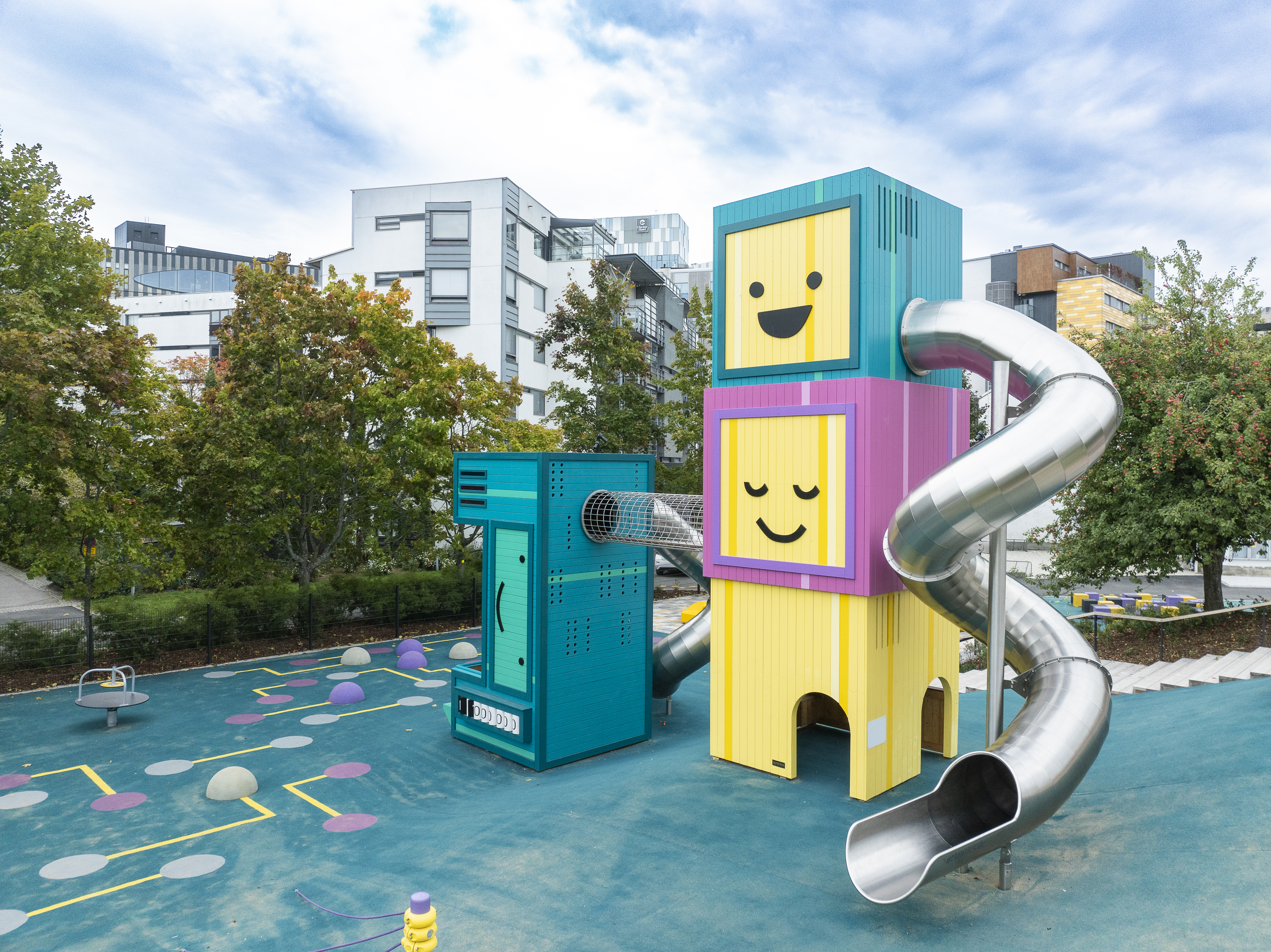
The Ruoholahti Computer Playground turns the invisible world of computing into physical play.
The entire space is organized around the flow of computation—input, processing, and output—so that small bodies can explore big ideas without needing a screen or even knowing the words.
My hope is that this computer-themed park will help children see the world of computers as approachable and adaptable. Imagine them crawling into a computer tower, seeing themselves as data moving inside a machine, or jumping on a giant keyboard to spell their names.
For many children visiting the playground, the most natural public space to meet up is a Fortnite lobby. For them, sandbox mode means a game mod, not a box filled with sand. This playground bridges both worlds.
PlAy StRuCtUrEs
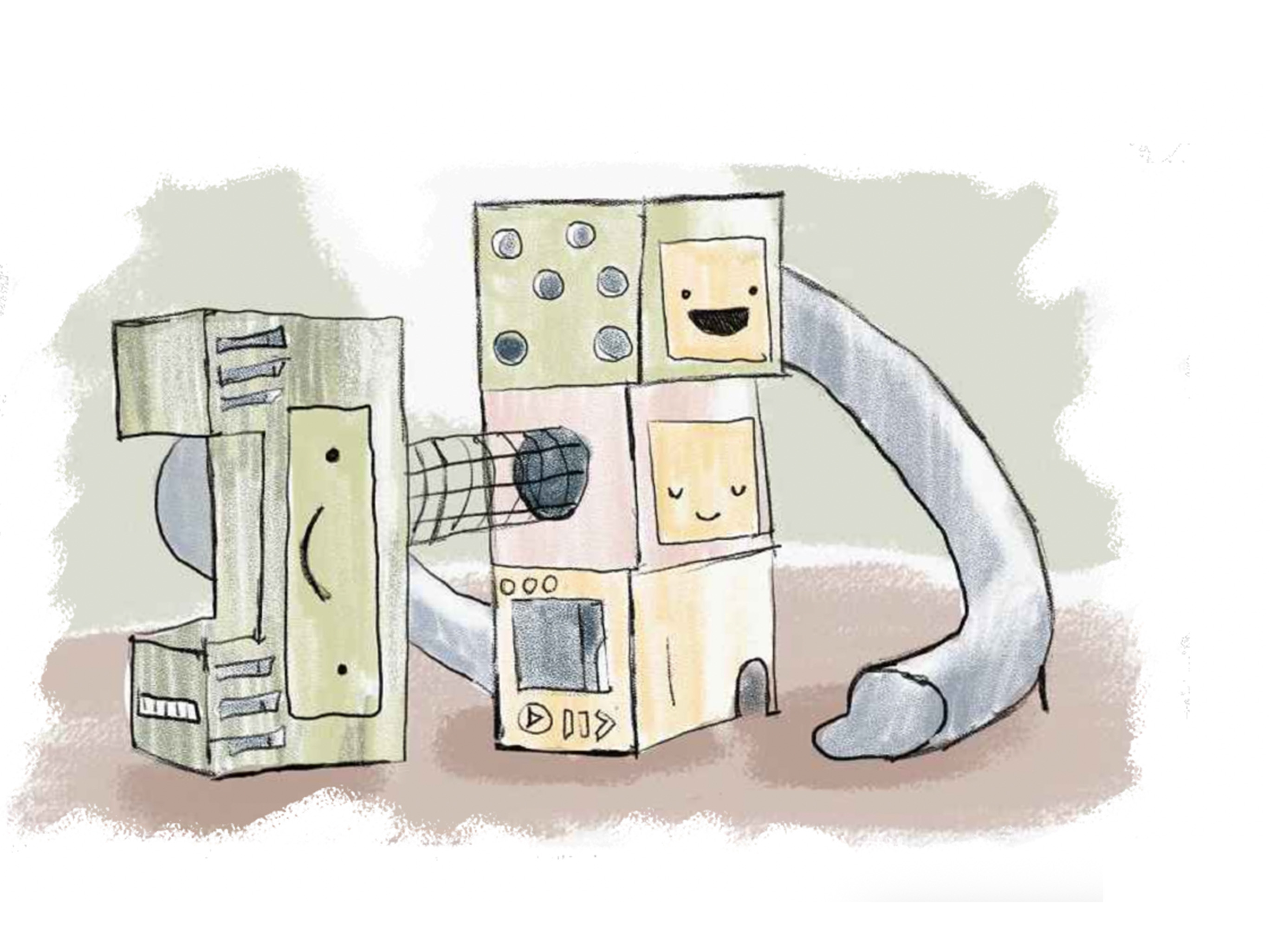
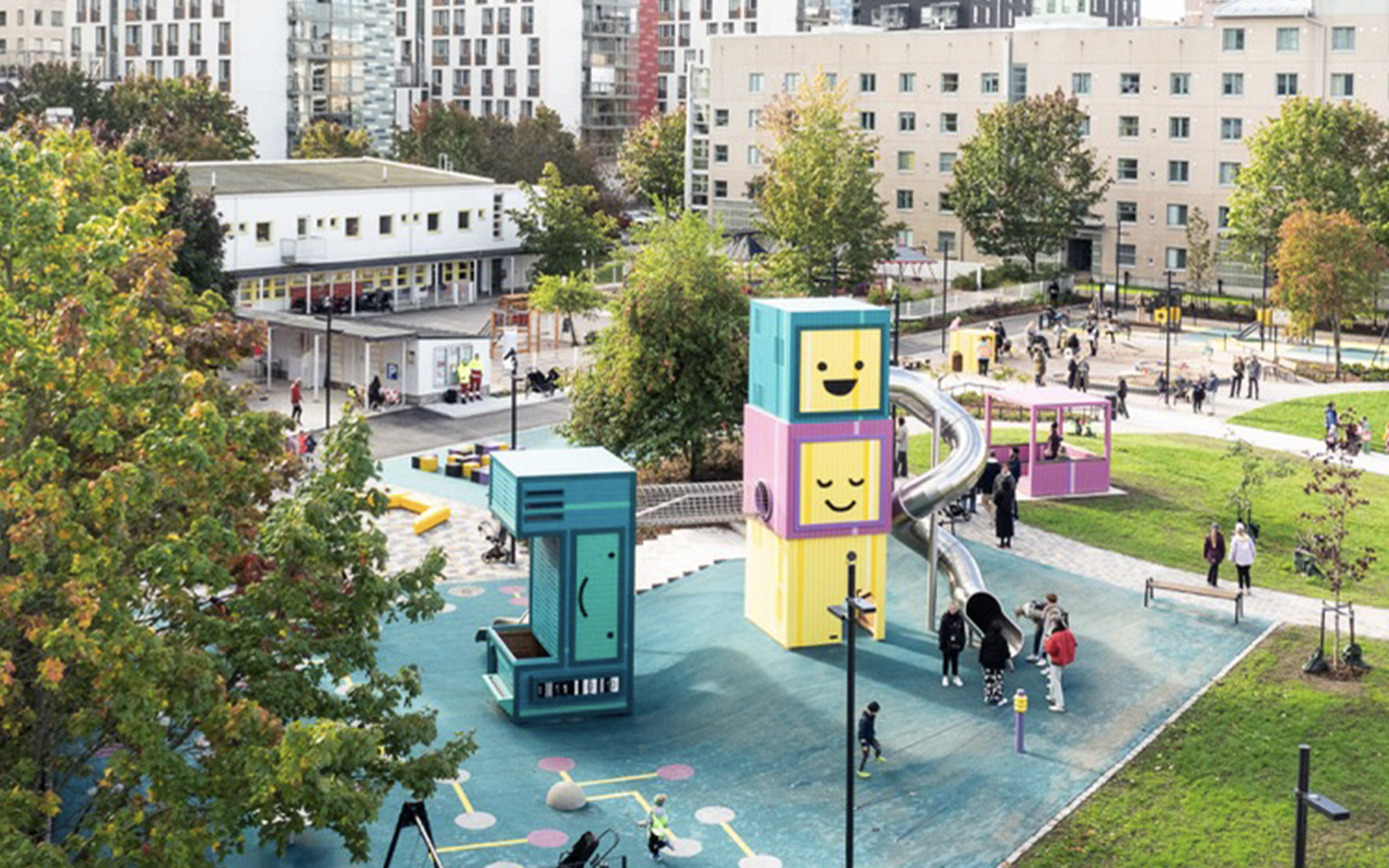
Computer Tower
A six-metre tower children can climb into as a data packet and slide out as output.
Computer Tower: physical input/output (PDF)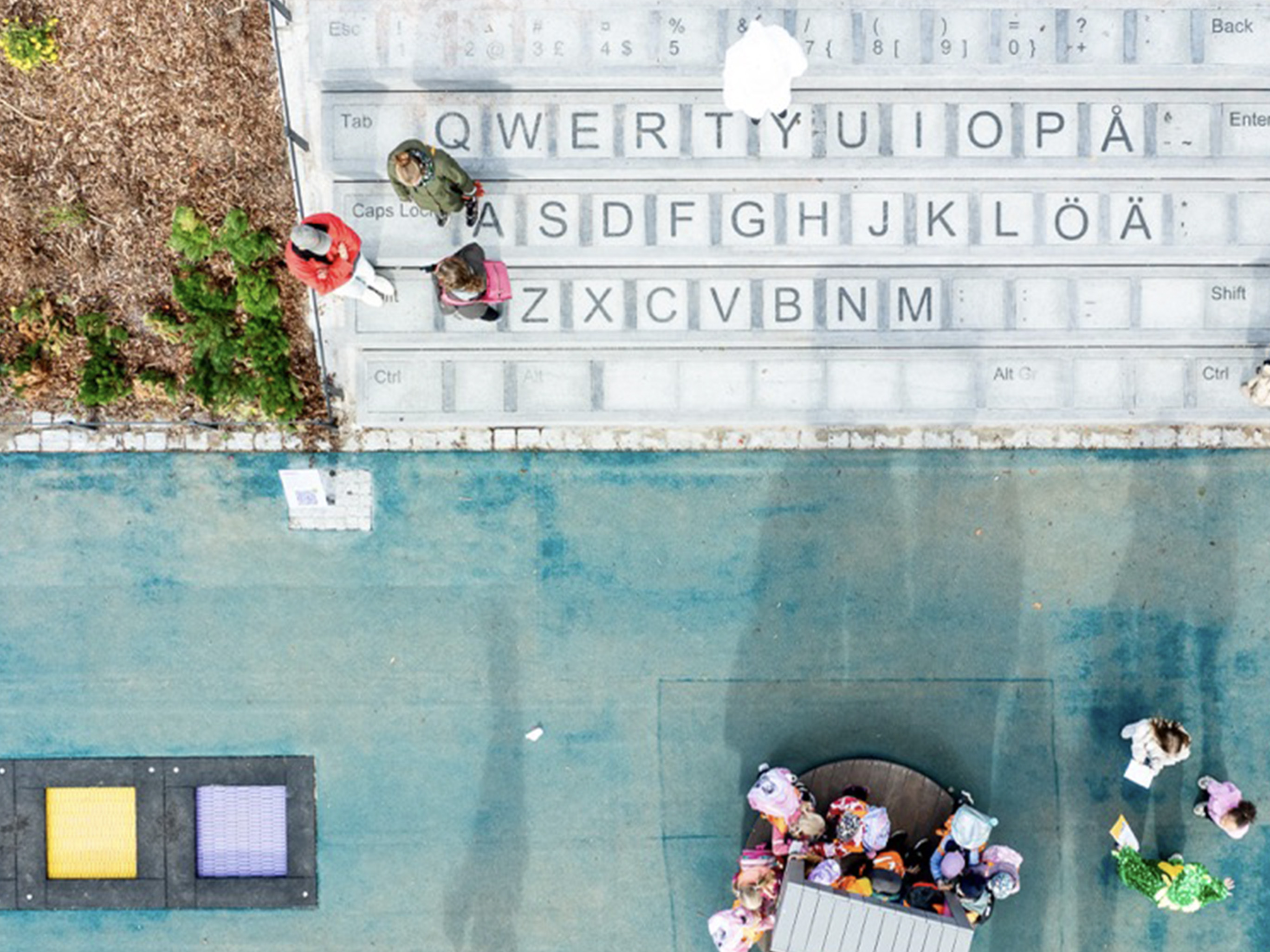
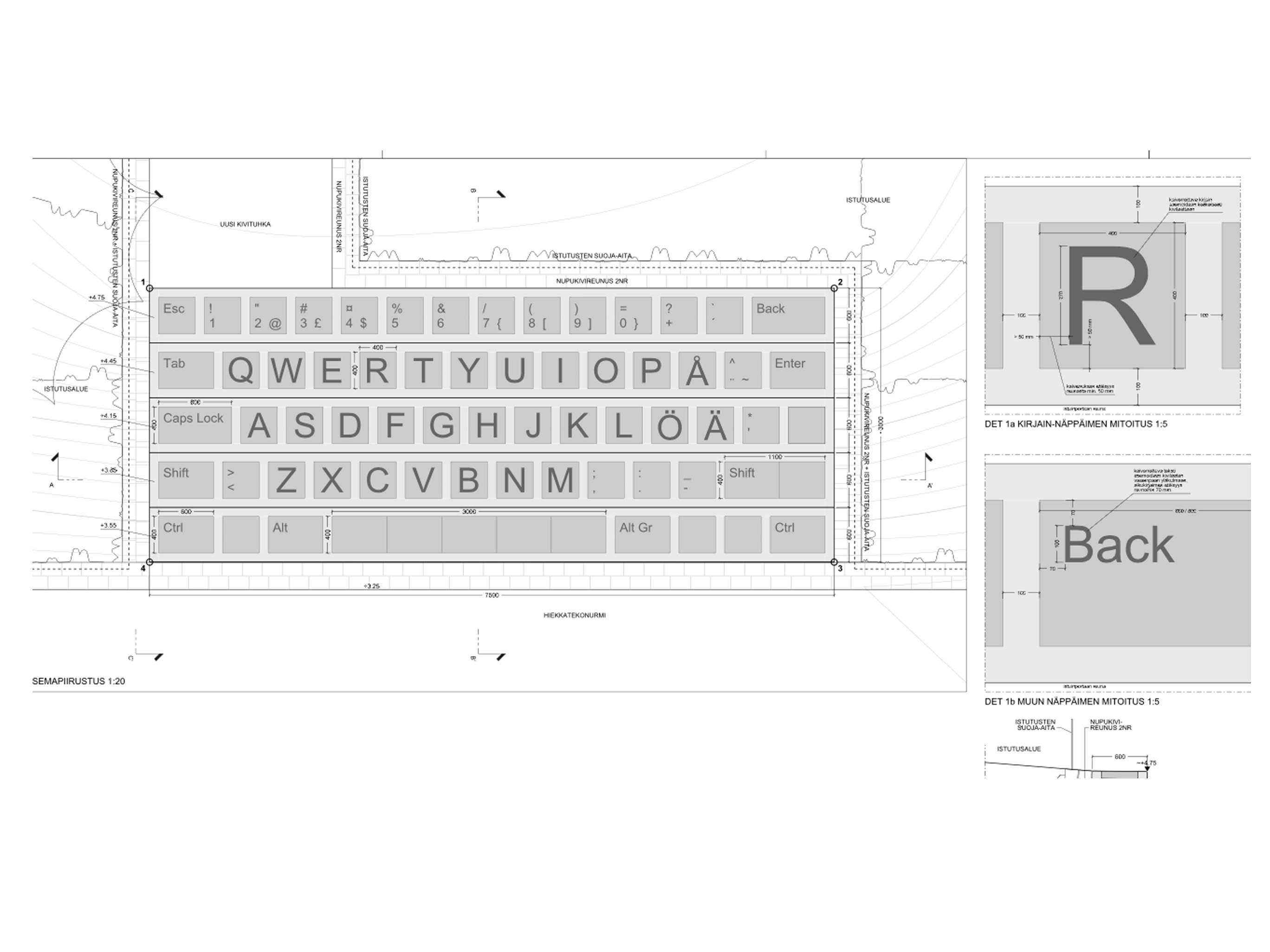
Giant Keyboard
Jump on it. Learn to spell your name! Practice shortcuts.
Asphalt Code: movement-as-instruction (PDF)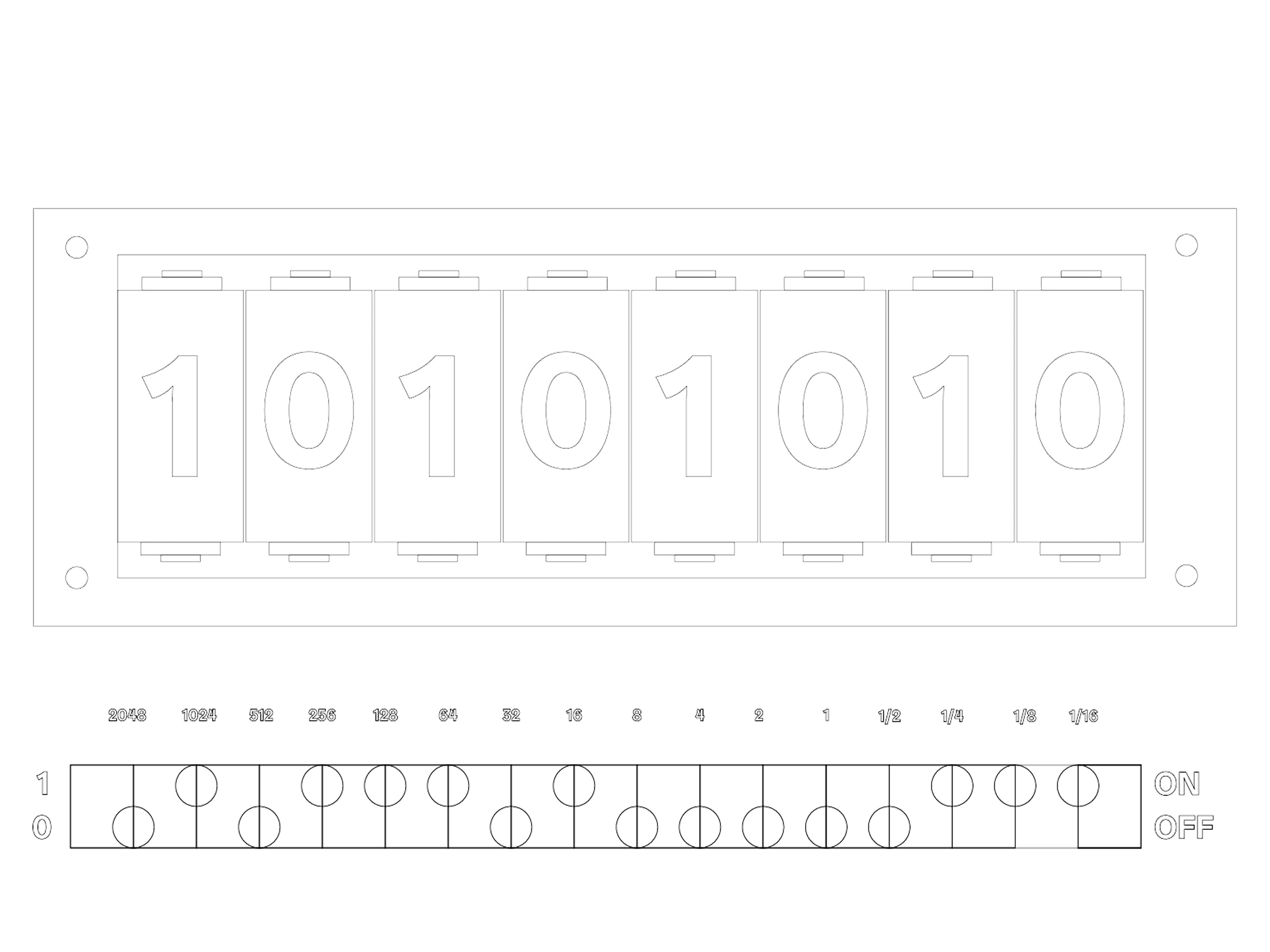
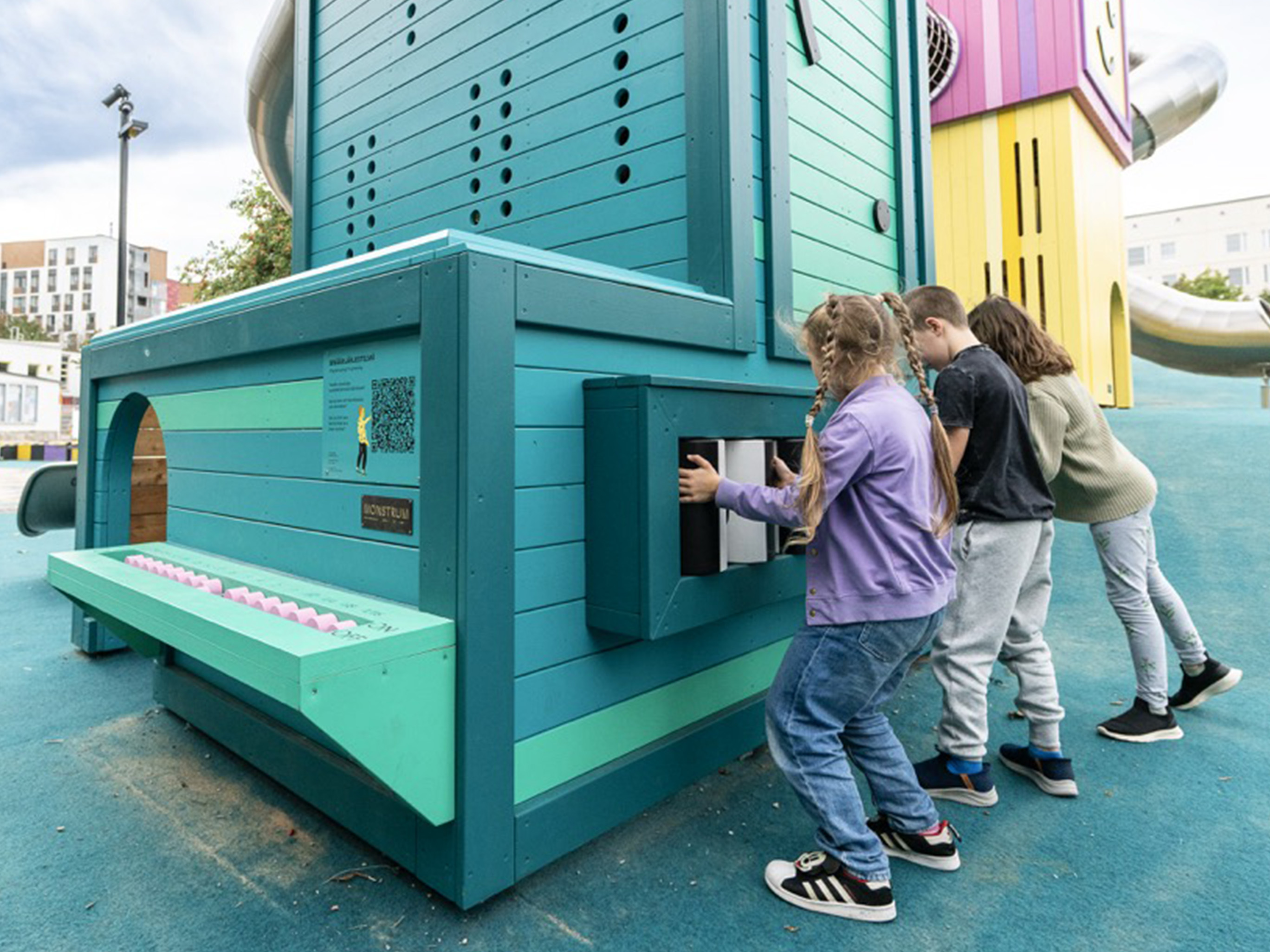
Binary Abacus
Move beads to build numbers in powers of two. Learn place value with your whole body.
Binary Abacus: counting with powers of two (PDF)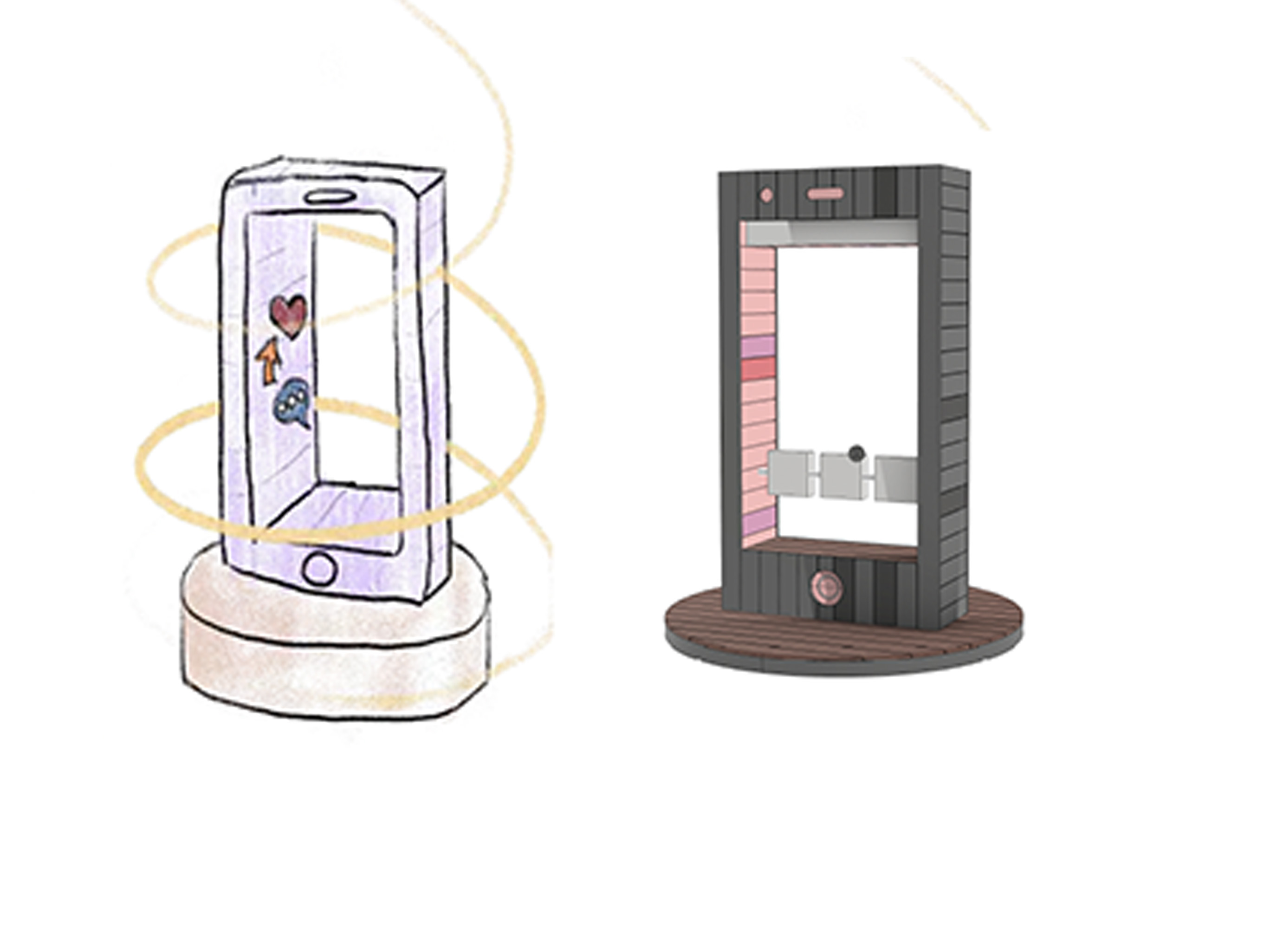
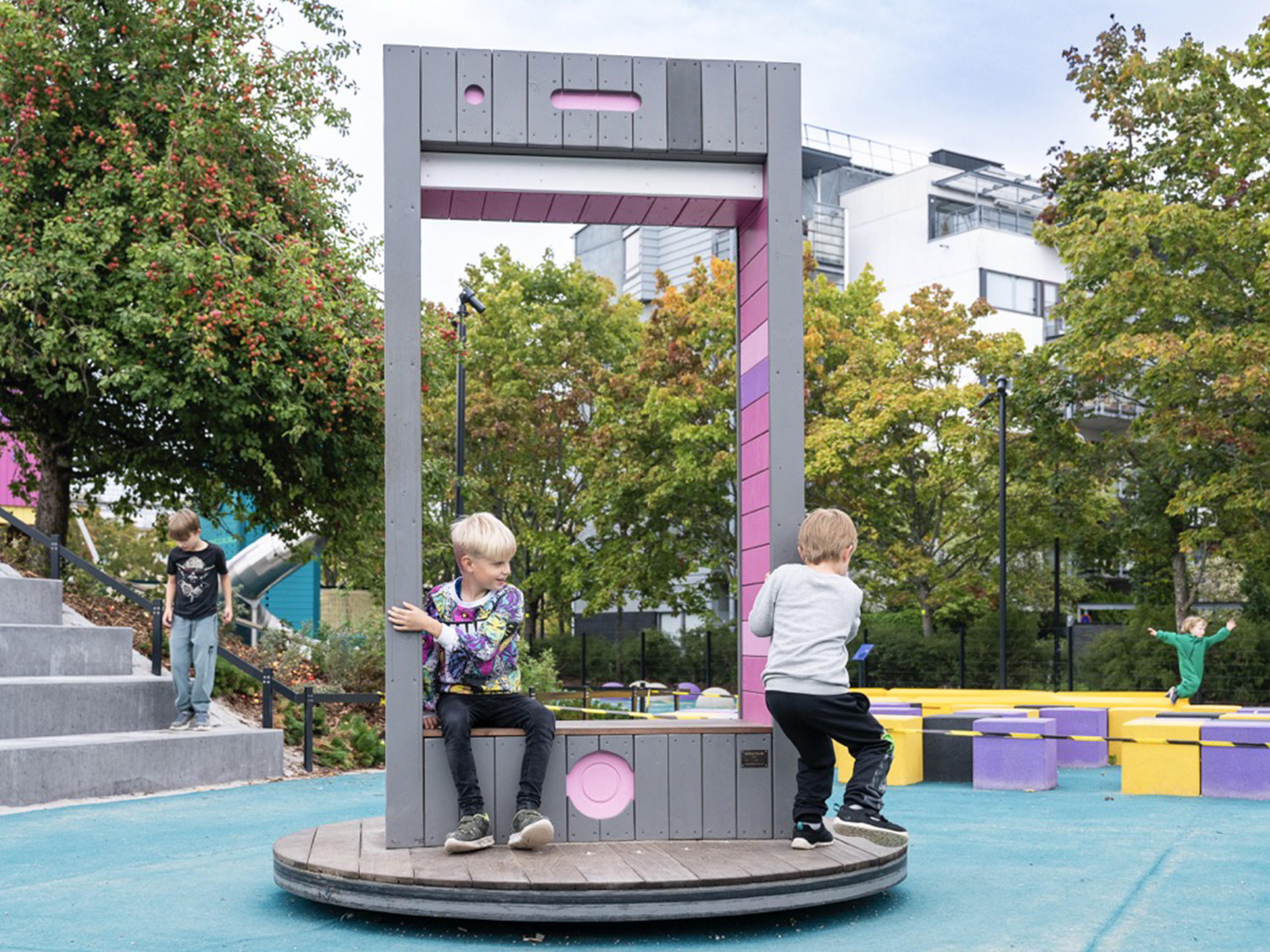
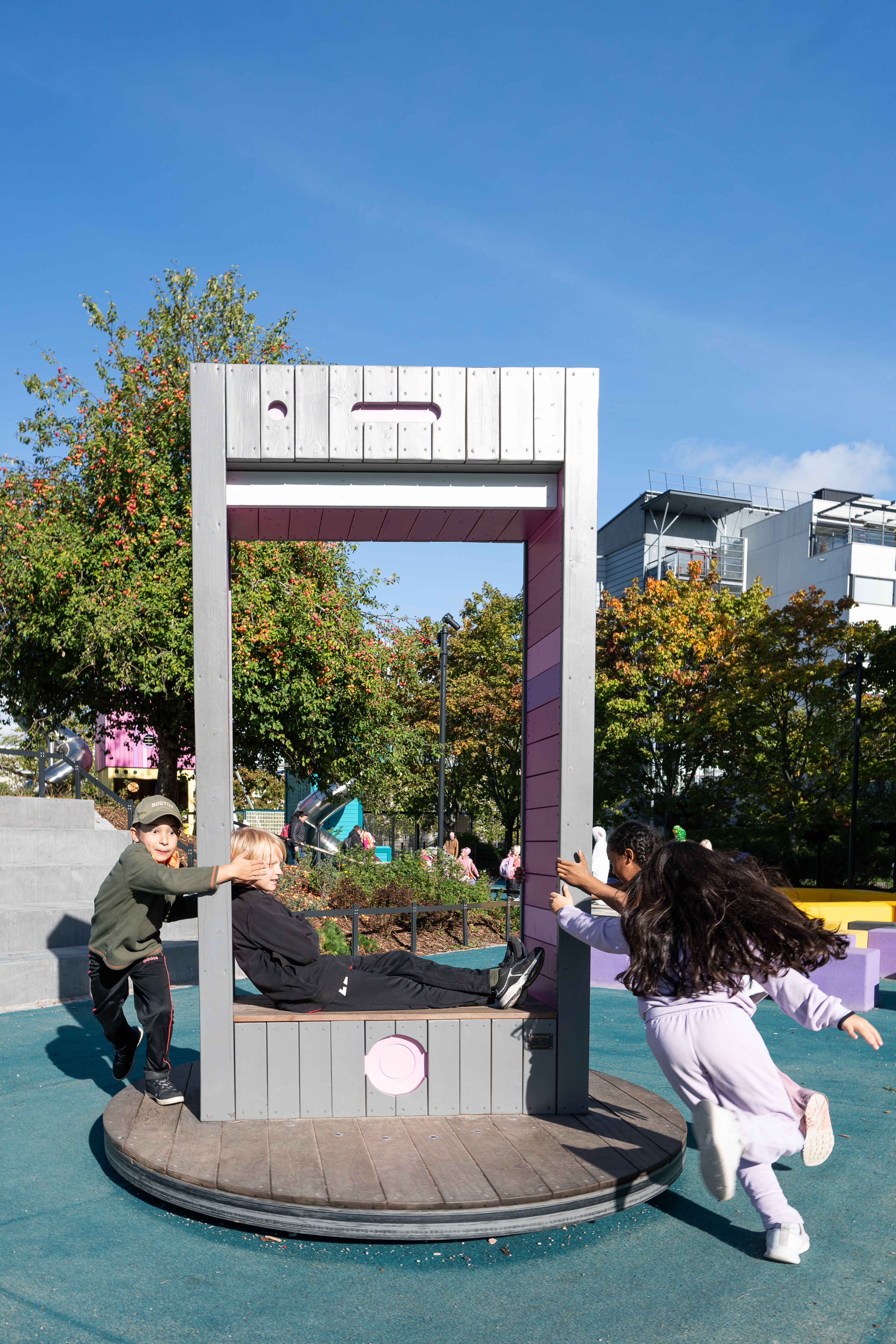
Rotating Mobile Phone
Encourages group play. Perform a victory dance on a phone screen.
Programmer Says: conditionals and debugging (PDF)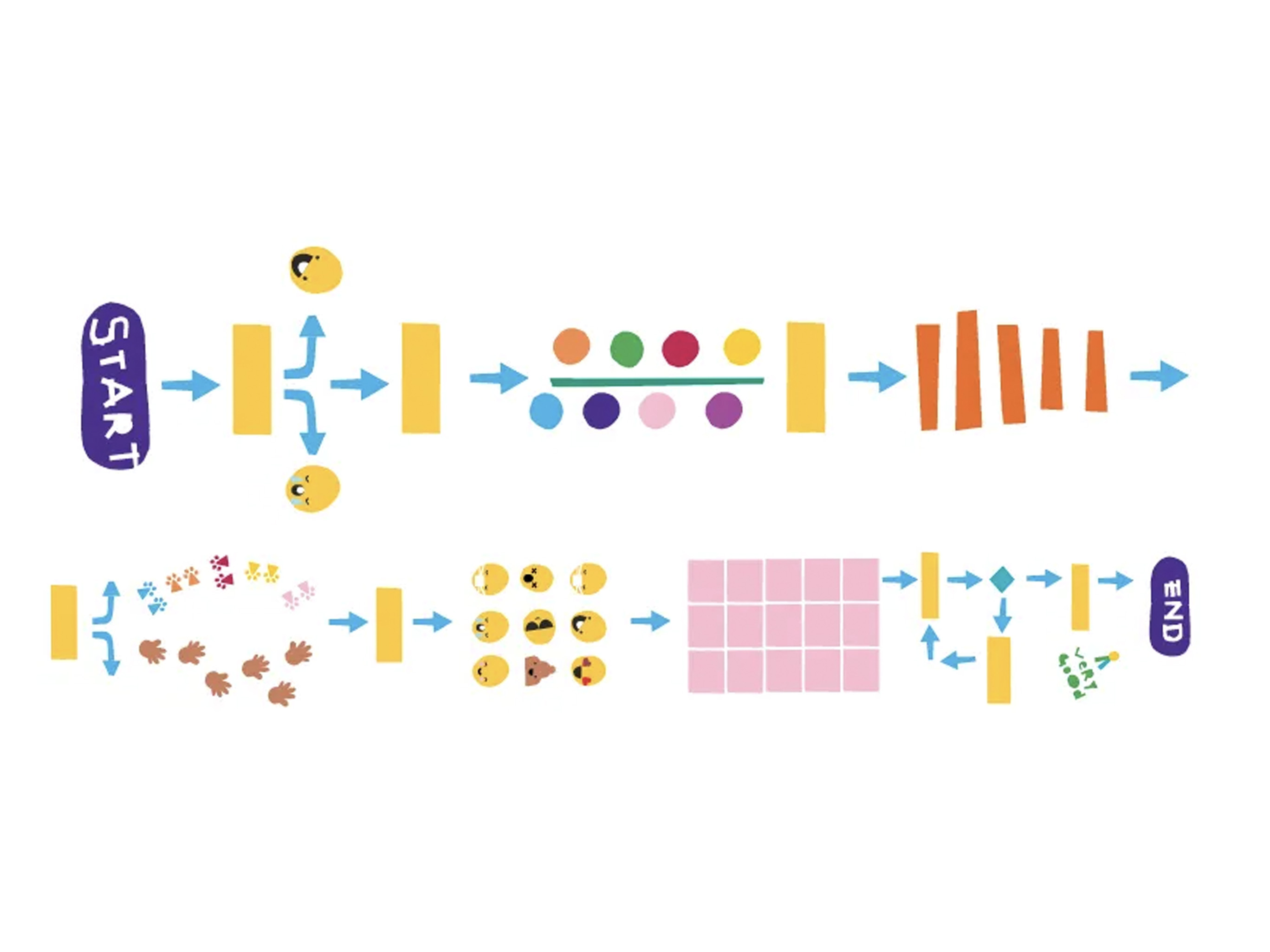
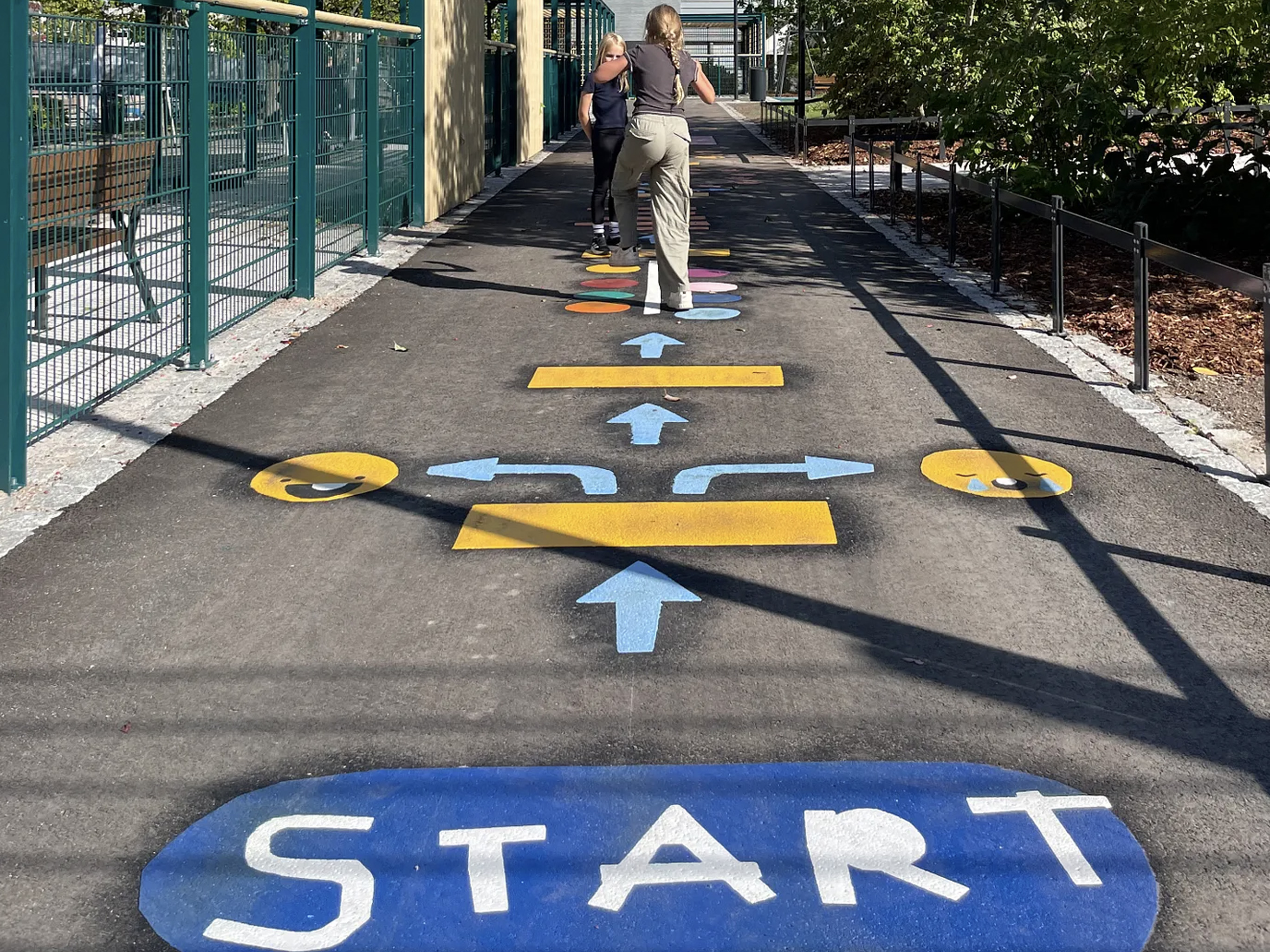
Flowchart Hopscotch
If you're happy today, jump here. If not, jump there. Kids invent rules, play robots, and naturally engage with sequence, selection, and iteration.
Asphalt Code: giant flowchart pathing (PDF)Programmer Says: decision logic in motion (PDF)
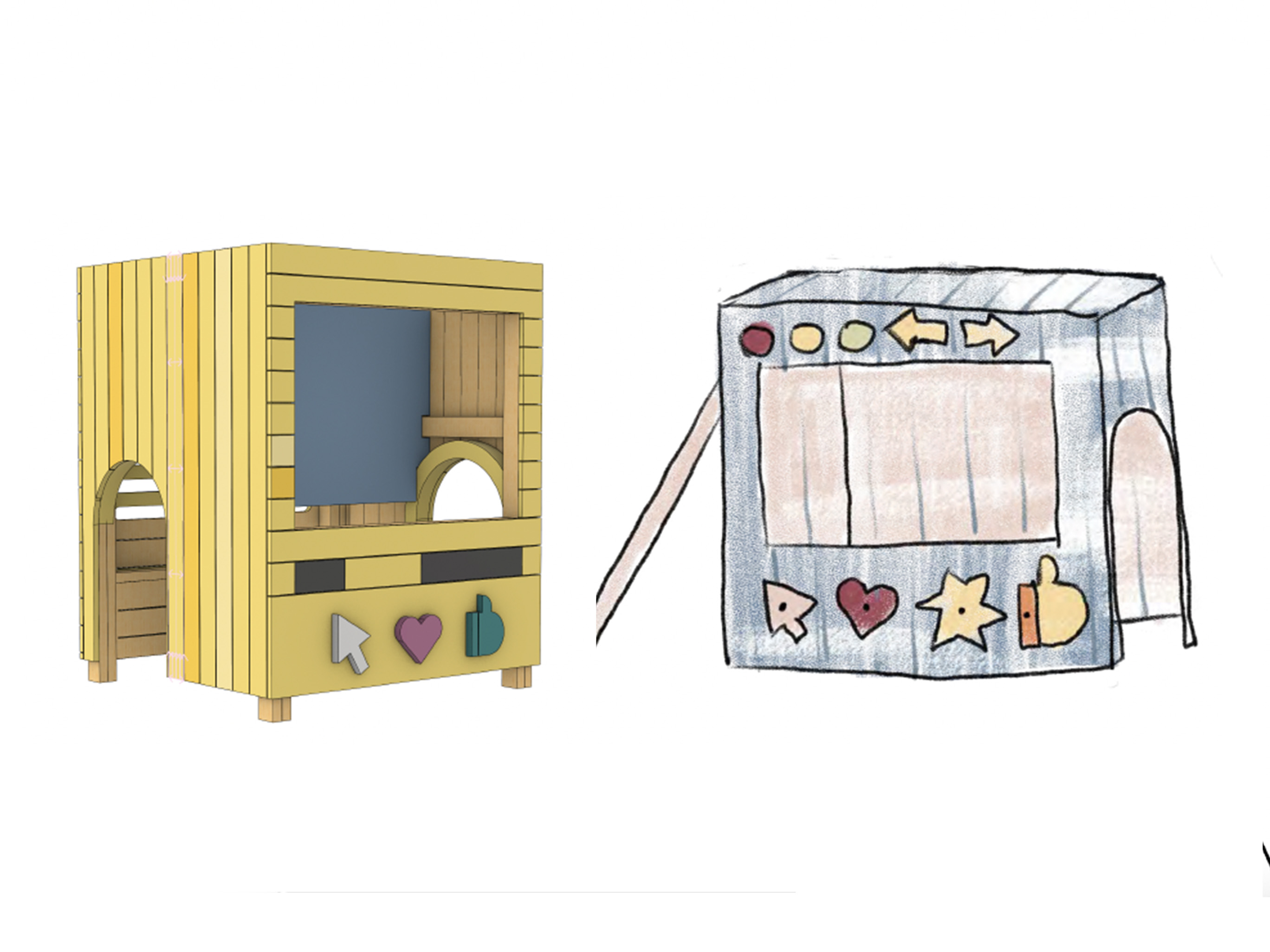
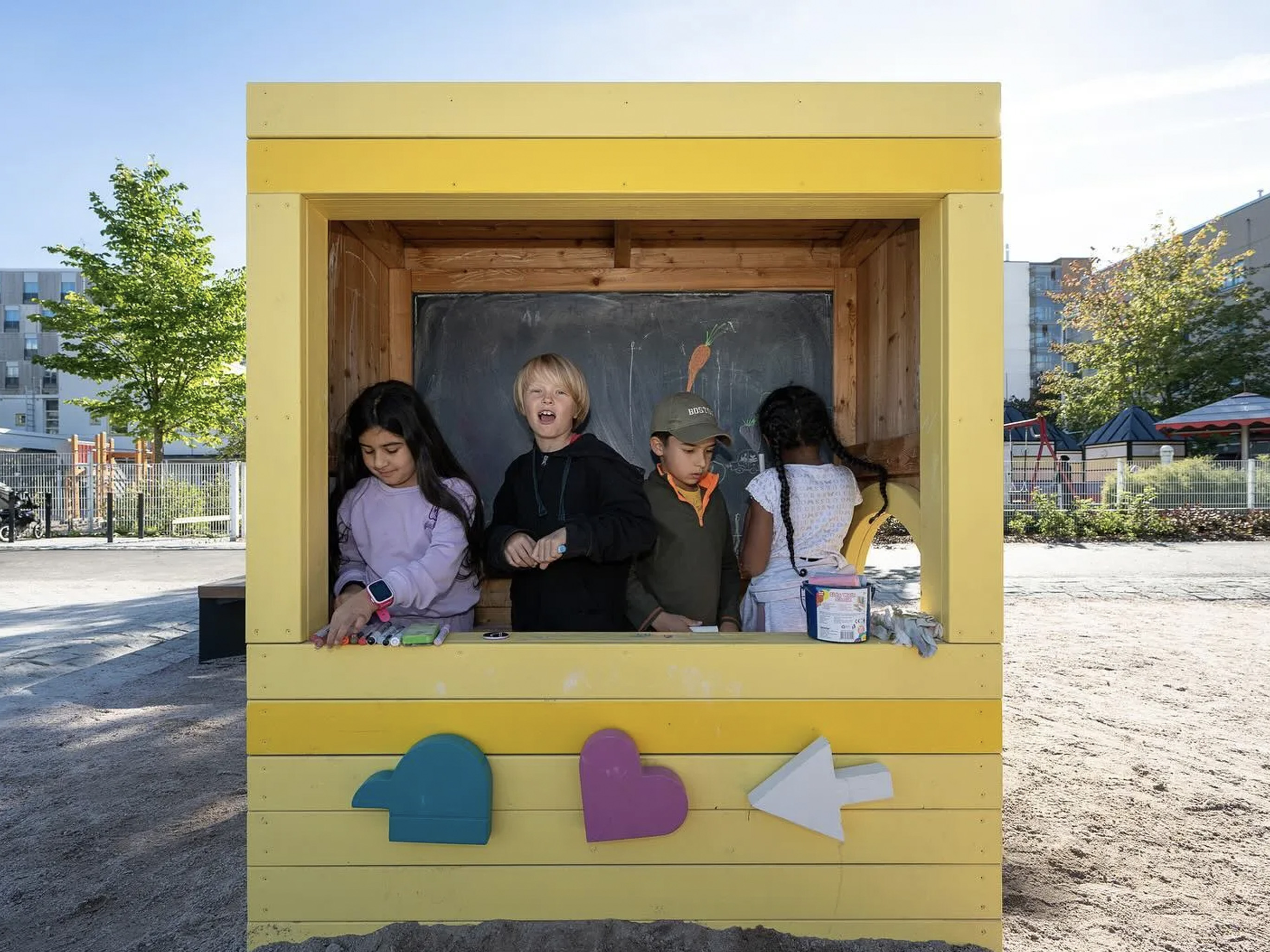
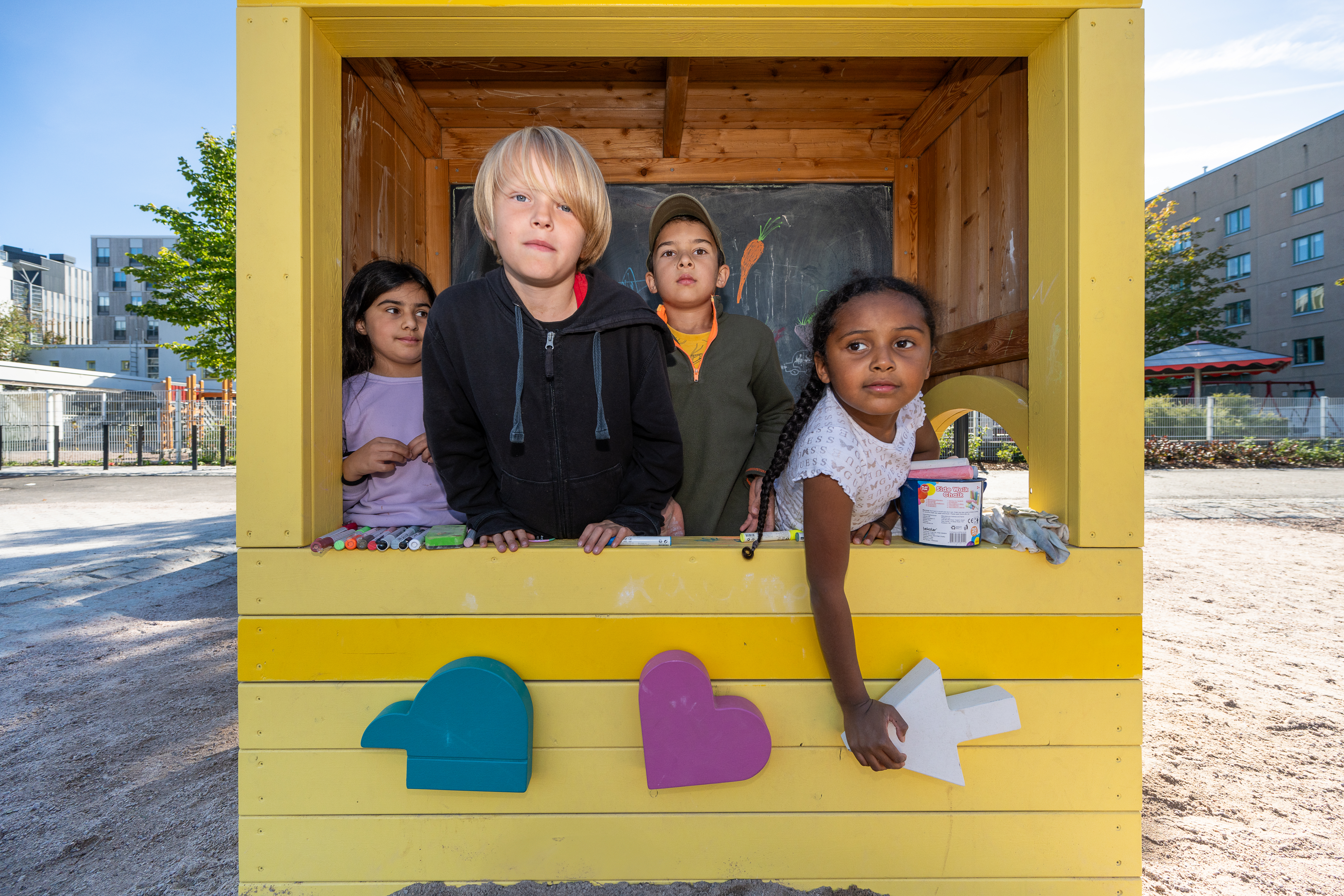
Computer Hut
A chalkboard screen for collaborative work.
Asphalt Code: plan, test, and revise programs (PDF)Virus Tag: discuss digital safety through role-play (PDF)

HoW wE tHiNk AbOuT pLaY
Singapore's first playground designer, Khor Ean Ghee, insisted: “When the play elements don't move, the children cannot play. They sit down and take photographs. Only with things like swings and see-saws—that's when they really play!”
At Least Eight Play Values
Every good playground should have at least eight distinct play values. Movement over spectacle. Each structure invites multiple ways of engagement—not a single, linear experience.
Soft Mastery
Sherry Turkle describes soft mastery as the mastery of the artist: try this, wait for a response, try something else, let the overall shape emerge. But what if, instead of drawing a flowchart, you jumped through one?
Invisible Learning
Children engage with programming logic—sequence, selection, iteration—without ever calling it that. They strategize, they invent rules, they play robots.
Sense of Awe
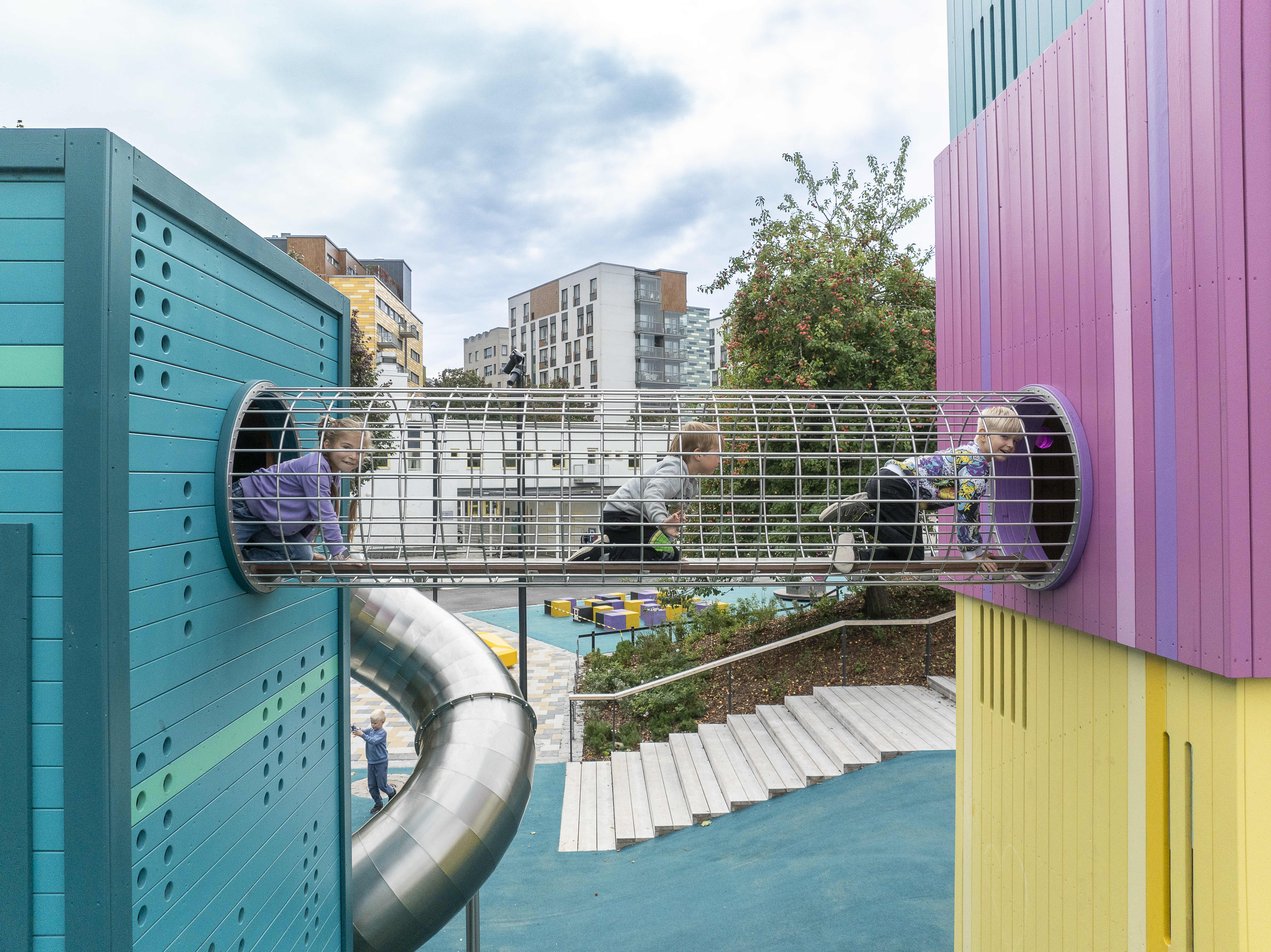
I wanted kids to experience feeling both tiny and massive—like when jumping on a giant keyboard or crawling through the tunnel connecting the CPU to the RAM.
ThE ViSiOn
One Playground Is a Project. Many Playgrounds Are a Grammar.
Fröbel designed twenty gifts and changed how the world thinks about childhood. Van Eyck designed a handful of elements and produced 734 playgrounds across Amsterdam. Neither made a product. They made grammars: small sets of rules that generate infinite variations.
I want to help create a grammar for computer science themed playgrounds globally. Design principles, play structures, and educational tools any city can use to build a playground where children learn computing through their bodies.
SiX ThEmEs, InFiNiTe PlAyGrOuNdS
AI
Pattern recognition, training data, feedback loops. Children sort, classify, discover how machines learn with their bodies. The playground the world is ready for now.
The Internet
Packets, protocols, hidden infrastructure. Speaking tubes as data channels. A network you walk through.
Chips & Circuits
Logic gates and silicon landscapes, made large enough to climb.
Early Computing
Looms, punch cards, mechanical roots. A playground that feels like a workshop.
Synthetic Biology
DNA as code, cells as factories. Where the playground meets the garden.
Quantum Computing
Superposition, entanglement, strange logic. The most speculative theme—and the most playful.
Where We Are
- Built — Helsinki, Finland. Ruoholahti, 2024. The world's first computer-themed playground. Fast Company Innovation by Design 2025 Honorable Mention.
- In progress — Barcelona, Tallinn.
- In conversation — Cities in the US, Asia, and across Europe.
The Ambition
Fifty cities, five continents, by 2036. Not fifty copies of the same playground, rather fifty variations. Some flagship parks with custom structures and full curricula. Some a single element: a sorting wall on a school fence, a binary path in a hospital garden.
The curriculum will be open and the research shared. The playgrounds free.
As SeEn On
Recognition for the world's first computer science playground.
“When the children are happy, everyone benefits.”
Monocle
Fast Company Innovation by Design 2025. Urban Design, Honorable Mention
Fast Company
“The world's first coding playground.”
BBC
“Brilliantly bizarre!”
Wallpaper*
“Helsinki dared to build a playground that isn't only about safety.”
Helsingin Sanomat
Math Power! Prize, Winner
mEducation Alliance

PlAyGrOuNd CuRrIcUlUm
If the equipment is the hardware, the curriculum is the software. You don't have to visit Helsinki to try these ideas. Start with a sidewalk and a piece of chalk. Draw a grid. Invent a code. Walk it with a friend. Change the rules.
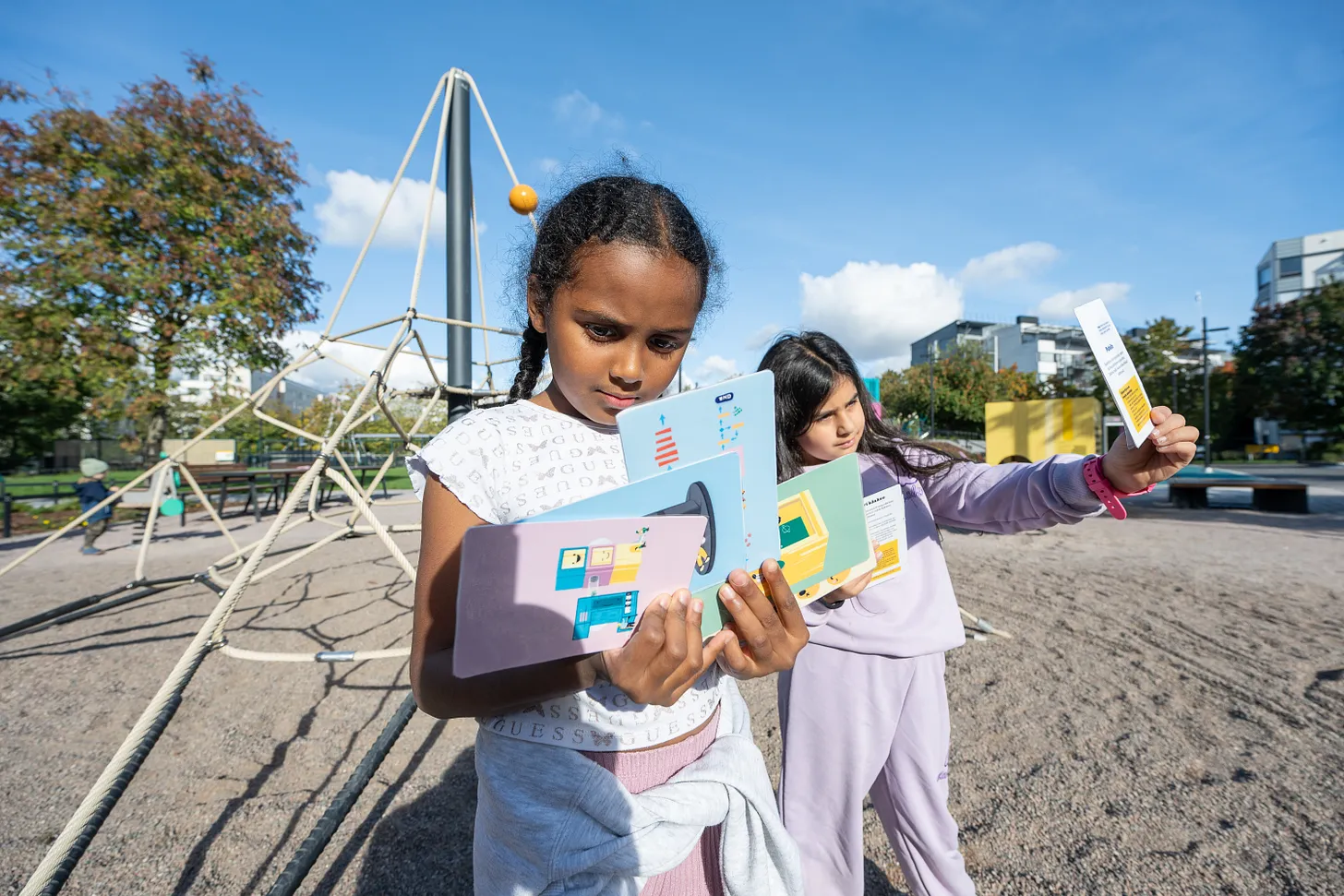
Developed together with educators from early childhood to primary school, the curriculum explores computing when it is physical, playful, and rooted in public space. It includes over 20 activities that map computing concepts onto movement and play, aligned with Finland's national curriculum.
- Asphalt Code: a choreography of movement-as-instruction. Children design a program with jumps, turns, and walks, then test it on a giant flowchart.
- Programmer Says: a logic game on trampolines introducing loops, conditionals, and debugging.
- Computer Tower: a physical input/output experience. Climb in as a data packet and slide out as output.
- Virus Tag: a new kind of tag game with challenges to discuss rootkits, trojans, or ransomware attacks.
Downloads
Full Curriculum
Complete educator's guide with lesson plans, worksheets, posters, and audio stories. 23 MB PDF.
CuRrIcUlUm!Activity Cards
Quick-reference cards for 20+ core activities. Print, laminate, and take them outside.
CaRdS!Educator's Guide
Teaching strategies, learning objectives, and tips for facilitating outdoor CS learning.
GuIdE!Posters & Worksheets
Printable classroom materials including coloring pages and audio story worksheets.
PoStErS!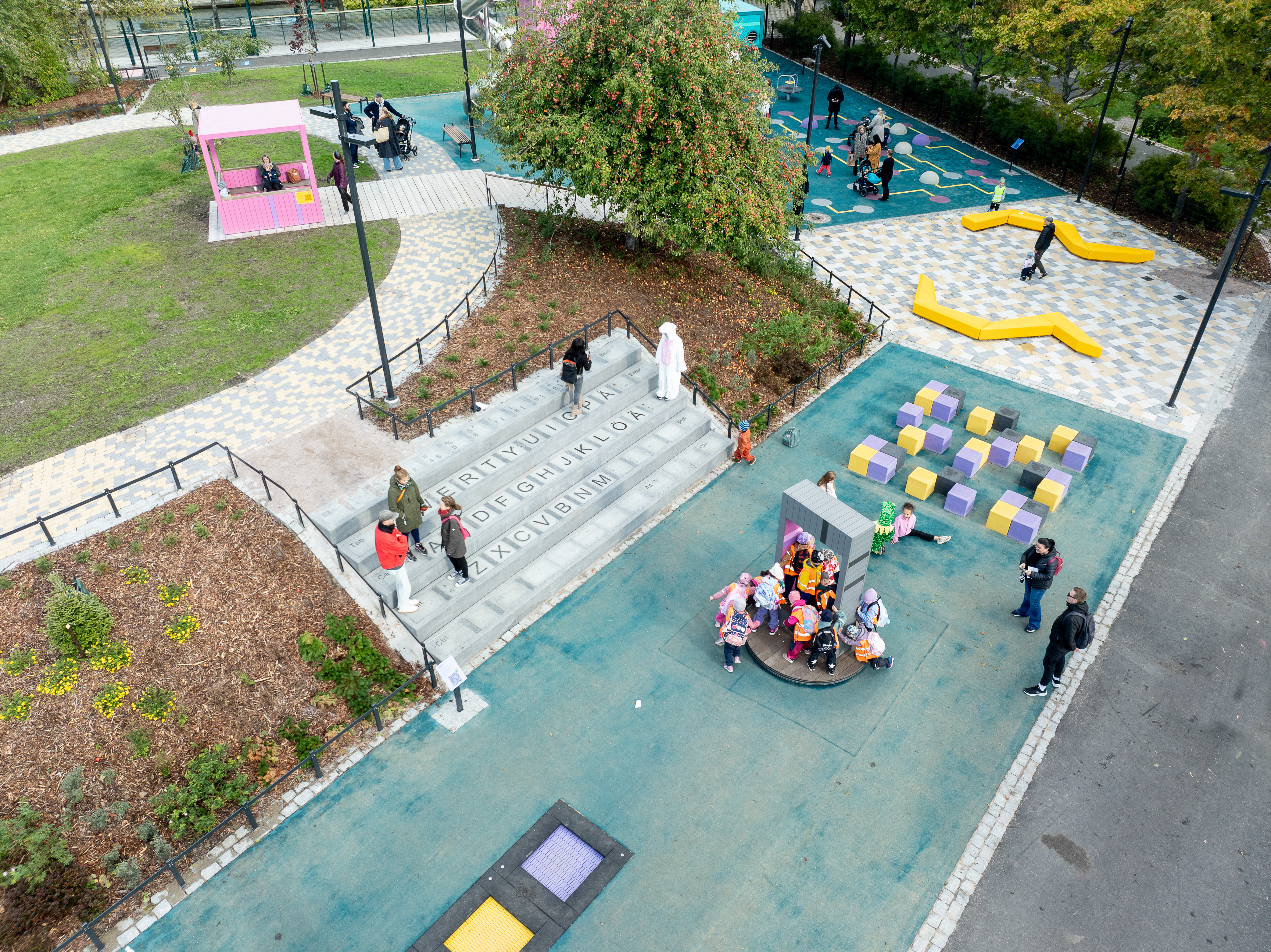
FrOm NoTeBoOk To ToWeR
Hundreds of hours of work lie between the initial sketches and the final park. Here's how a small drawing in a notebook became a six-metre tower in real life.
Research
Building a vocabulary
For almost four years, I kept a folder with notes, images, and clippings. Understanding playground design, aesthetics, and the broader built environment helped me build a vocabulary and frame the vision.
Fall 2020
First Concept Sketches
The first drawings outlined a rough structure, dividing the space into areas for input, processing, and output—echoing the flow of computation.
2021–2023
Planning & Design
The project moved into official planning. Compared to creating picture books, this process felt new and complex, with different timelines and a multitude of small, critical decisions. This phase also included working with educators.
Spring 2024
Construction
Construction started, and it was absolutely wild to see the site take shape. The special play equipment arrived from Denmark, and soon, passersby could watch as a colourful computer tower and a giant keyboard took form.
Autumn 2024
Opening
Children swarmed the playground. They jumped, swung, crawled. They broke rules and came up with new ways to play. Any code I've written disappears into the infinite feed. But a playground will stubbornly stand for the next twenty years, pointing to big ideas in computer science.
2025
Curriculum
If the equipment is the hardware, what kind of software brings it to life? Together with educators from early childhood to primary school, we hosted workshops to develop over 20 activities that translate computing concepts into physical play.
Team
The project was created with the City of Helsinki, Landscape Architects Näkymä (Ana & Tiina), and Monstrum (Kasper) from Copenhagen, in close collaboration with local educators. A special thanks to city champions Hanna Harris, Jan Vapaavuori, and Emma Alftan.
WaTcH
A Playground Worth a Thousand Programmes
Beyond Tellerrand · 2025 · 40 minutes
InSpIrAtIoNs & ReFeReNcEs
I love any project with its own library. Here are some of the thinkers, makers, and projects that shaped this work.
Thinkers
- Seymour Papert — Mindstorms
- Sherry Turkle — The Second Self
- Alexandra Lange — The Design of Childhood
- Loris Malaguzzi — Reggio Emilia approach
- Friedrich Fröbel — Kindergarten gifts
- Maria Montessori — Sensory learning
- Isamu Noguchi — Playground sculptures
Makers
- John Maeda — Human Powered Computer
- Taeyoon Choi — CPU Dumplings
- Khor Ean Ghee — Singapore sculptural playgrounds
- Aldo van Eyck — Amsterdam playgrounds
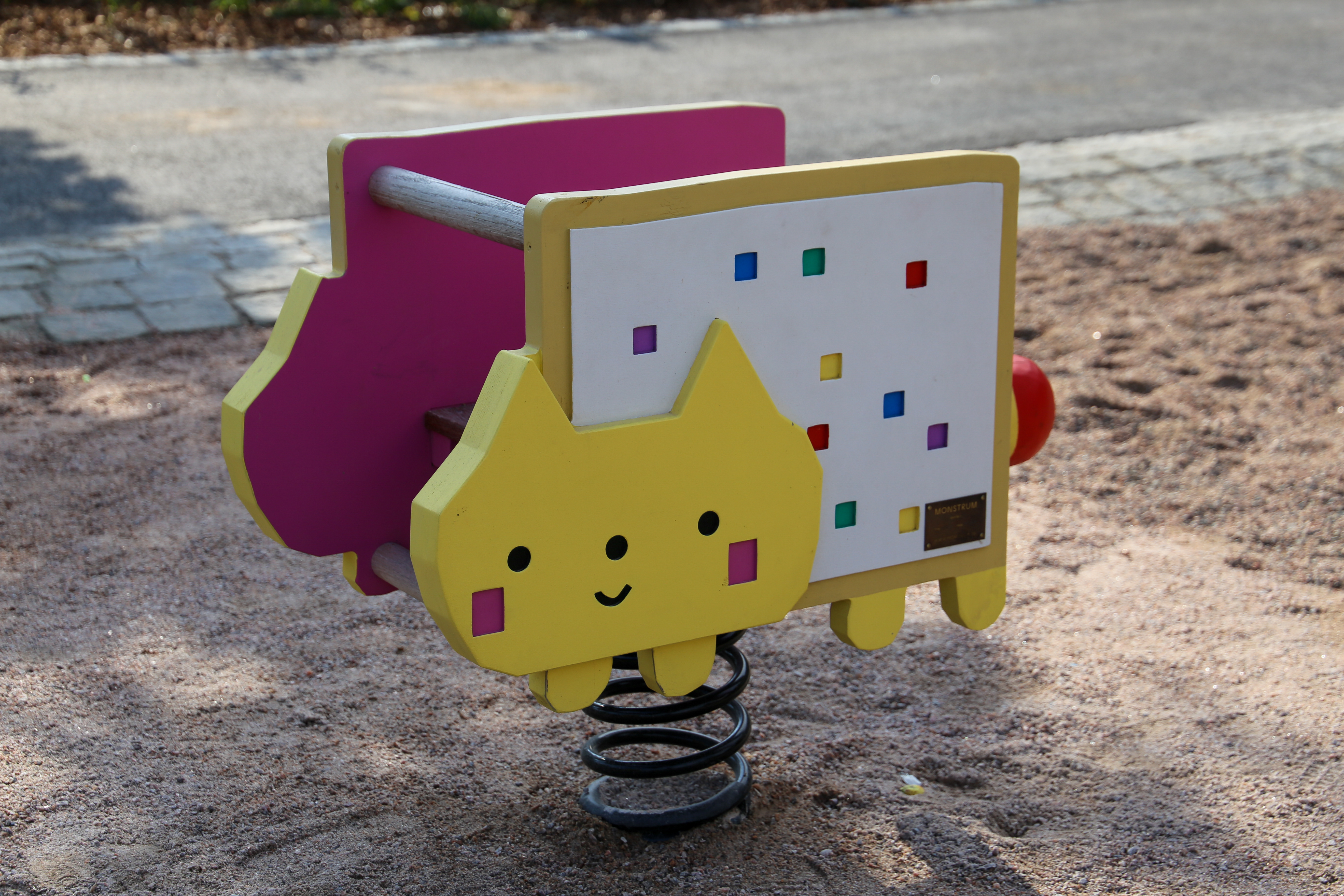
- Monstrum — Copenhagen play equipment
- Florentijn Hofman — Large-scale creatures
- Chaim Gingold — Building SimCity
Reports & Resources
- Arup / LEGO Foundation — Playful Cities Design Guide
- Global Designing Cities Initiative — Designing Streets for Kids
- Architecture for Children — architekturfuerkinder.ch
- Toshiko Horiuchi MacAdam — Crochet playgrounds
- Yinka Ilori — Colourful public furniture

BuIlD oNe WiTh Us
If you're a city, school, museum, parks department, foundation, or manufacturer—and your community deserves a playground that does more than keep children busy—write to me.
Or start small. You don't need a custom playground to get started. Download the curriculum and try these activities in your existing spaces.