


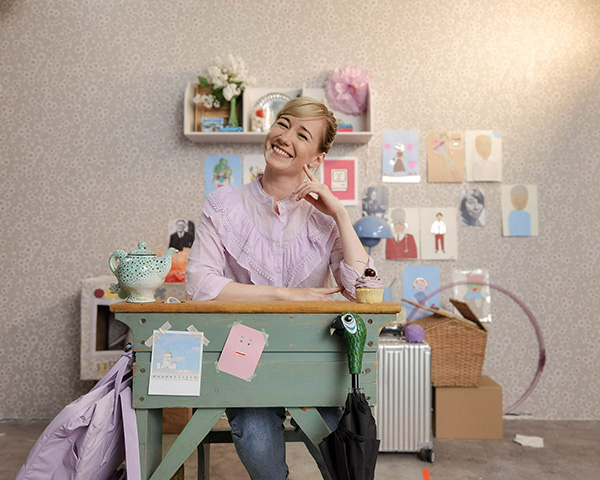
Together, we turn computer science and AI into something you can explore with cardboard, crayons, city streets, and curiosity — so teachers feel at home in this new territory, and students understand how technology shapes their world.
HoW I WoRk WiTh TeAcHeRs
Across projects in Helsinki, Tampere, Texas, New York, Melbourne, Georgia, Zurich and beyond, a few principles keep returning.
Play & storytelling first
We start with stories, drawings, cardboard, and conversation, not screens. Open-ended play and narrative become the gateway into difficult ideas: algorithms, data, networks, AI.
Beyond "learn to code"
Computer science is more than syntax. We look at systems, the internet, hardware, data, machine learning, and the social impact of technology — always tied to children's lived experience.
Learning by doing (for teachers)
Teachers begin experimenting immediately with their own classes and return with messy artefacts, questions and successes. The goal isn't to follow a script, but to build professional knowledge together.
Uniting multiple domains
Computing shows up in art, language, maths, biology, urban design, and citizenship. PD sessions often pair a computational concept (like algorithm, data, perception) with a second domain to show how these ideas travel.
WhO tHiS iS FoR
These programs are designed for people who care about learning first, technology second:
- Primary and lower secondary teachers who are new to computing
- ICT / CS specialists who want richer, more creative approaches
- Librarians, museum educators and cultural workers
- School and district leaders planning how to weave CS and AI across the curriculum
Most groups are mixed on purpose. A typical cohort might include a Year 2 classroom teacher, a digital lead, an art teacher and a curriculum coordinator — all working together on a shared set of ideas.
FlAgShIp PrOgRaMs
Playful Computing Workshop (Texas)
Currently accepting applications for Spring 2026
A comprehensive K–8 computer science professional development journey for Texas educators. Six full-day sessions over Zoom, with hands-on materials shipped to your door.
Teachers work with a complete curriculum including video series, lesson plans with student handouts, and alignment with CSTA K–12 CS standards.
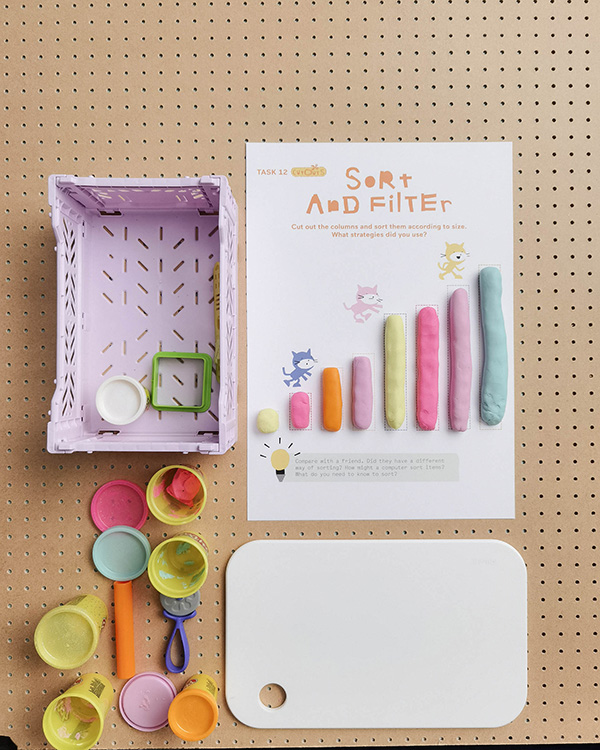
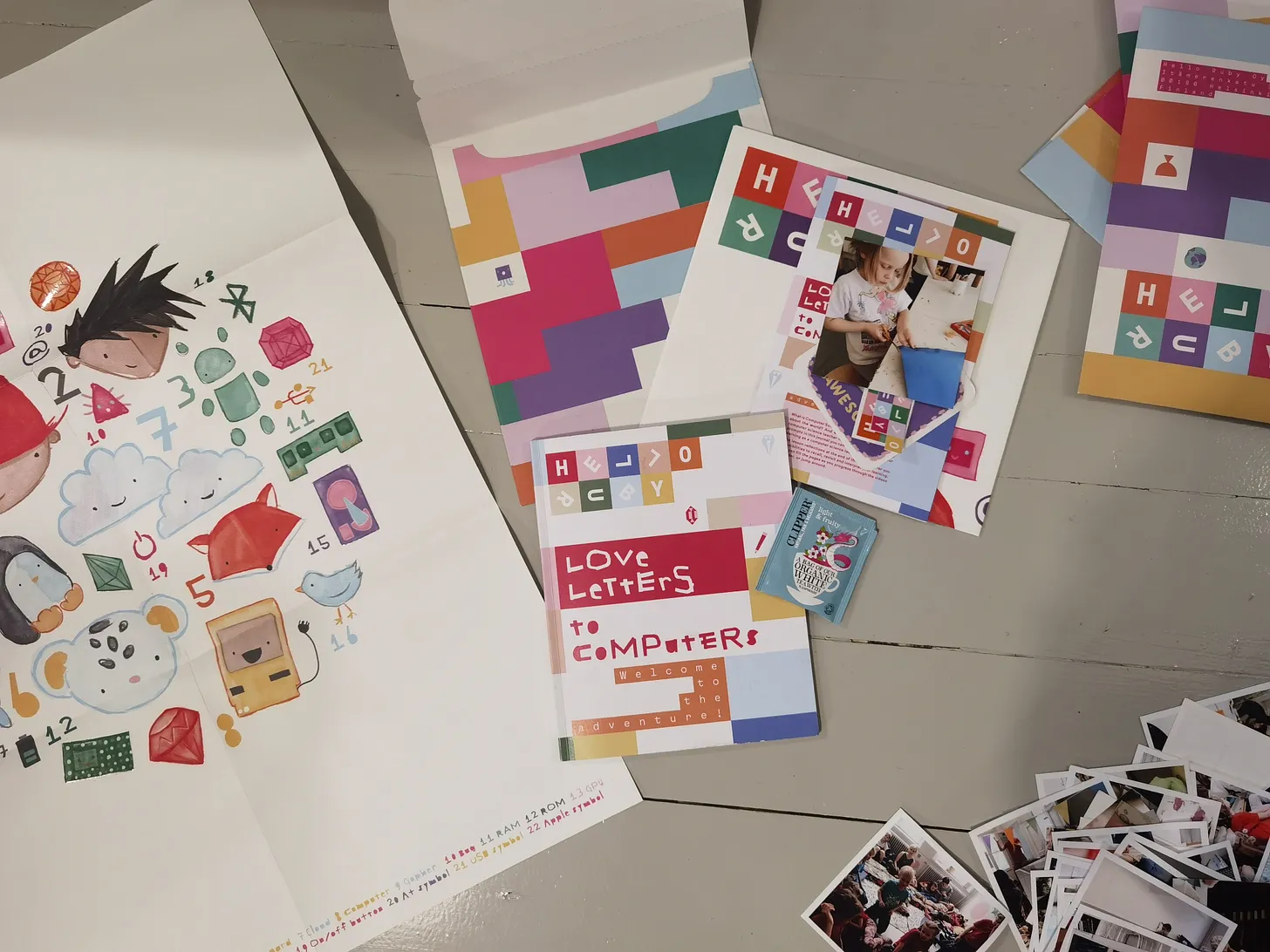
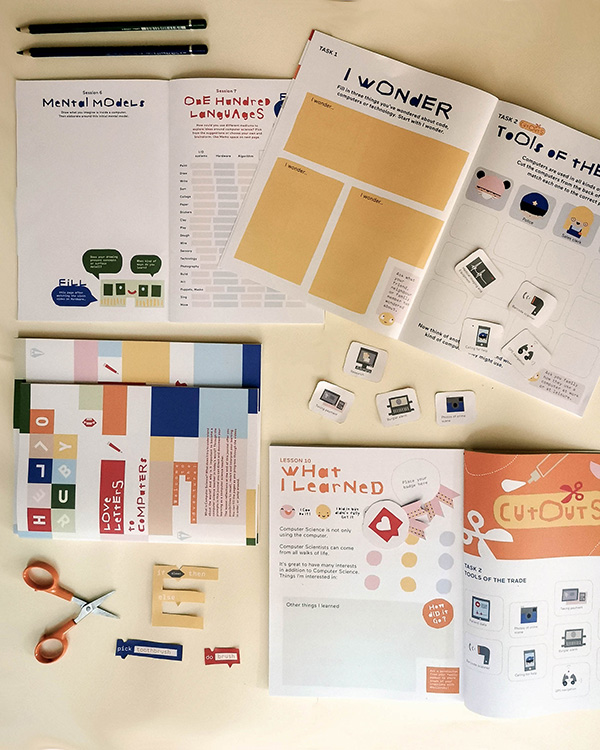
What's included: - 30 hours of professional learning - Complete materials kit (Hello Ruby books, teacher journal, student passport, Play-Doh, chalk, posters) - TEKS-aligned lesson plans - $350 stipend upon completion
Learn more about Playful Computing →
Love Letters to Computers
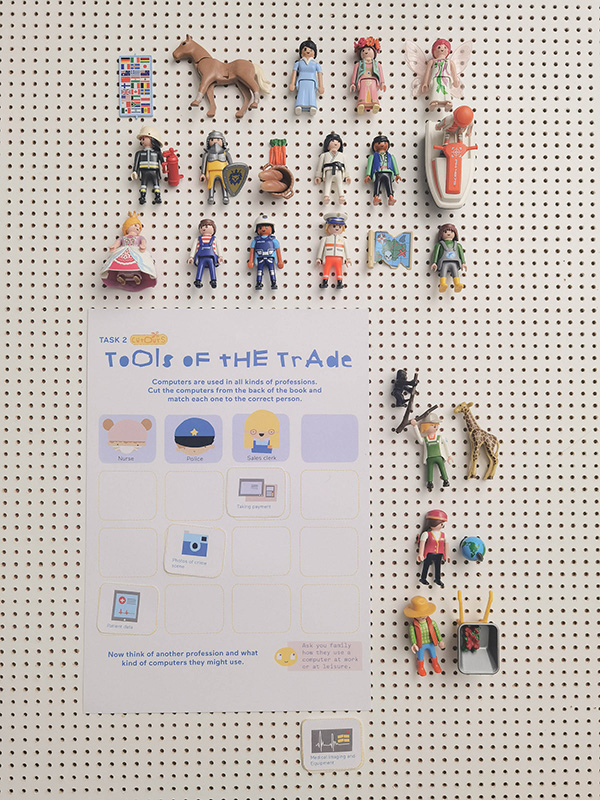
A self-paced online course with 10 video episodes, educator's journals, and 33 lesson plans. Mix of Scratch, unplugged projects, and optional hardware.
Activities are aligned with CSTA K–12 CS standards and emerging AI frameworks.
Mud-pies, Make-believe & Machine Learning
A workshop or mini-series on early AI literacy. We explore perception, representation, learning from data, natural interaction, and societal impact through drawing, movement, role-play and simple digital tools.
Teachers learn to introduce AI concepts without hype or fear, using unplugged activities as a bridge to digital tools and children's everyday experiences.
Playful Foundations of Computer Science (Helsinki University)
A 7-week university course designed for future educators at the University of Helsinki, exploring the playful side of computer science — from algorithms and data to hardware, networks, and machine learning. Offered as part of the Technology Education module (EDUK0123), the course asked a deceptively simple question: does computer science belong to technology, science, or art? Are computers a tool or a toy?
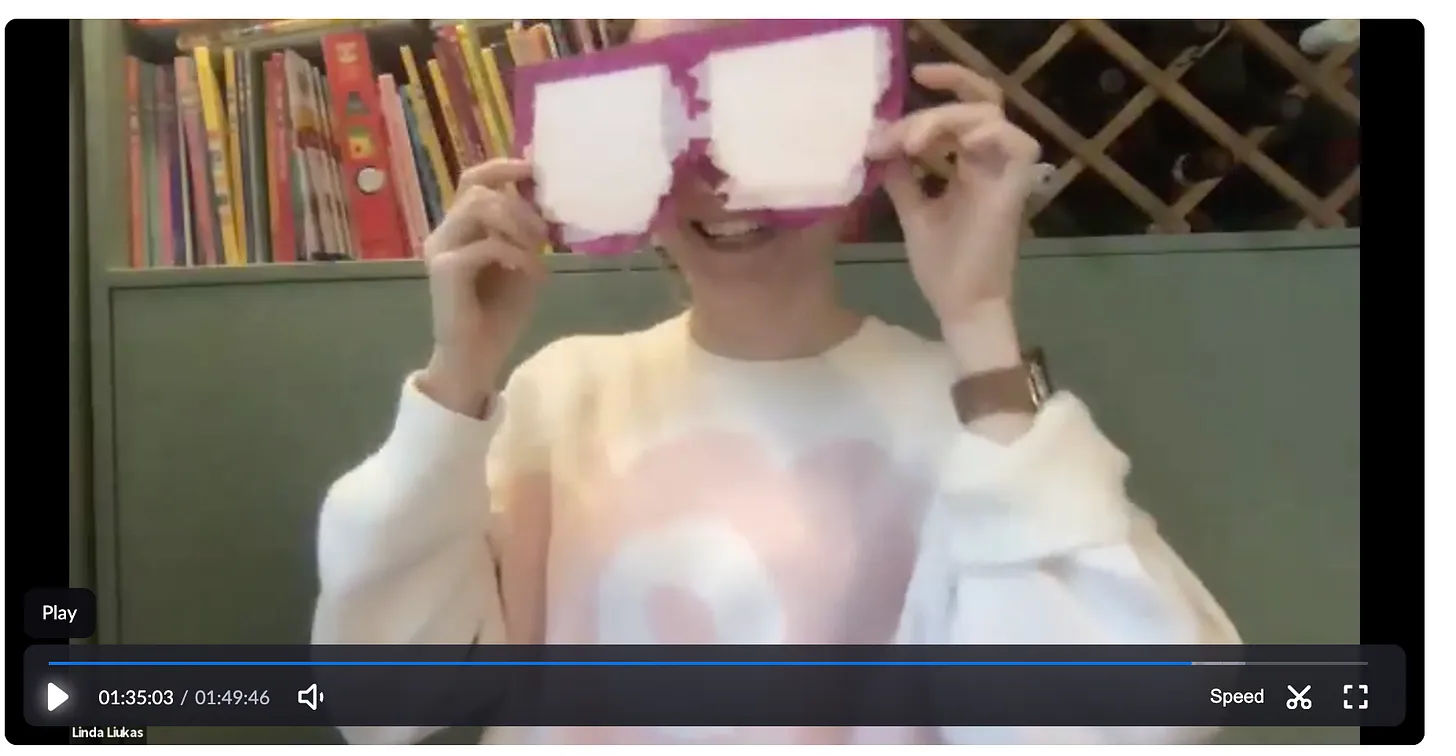
Through weekly lectures, hands-on assignments, and a rich reading list anchored by Seymour Papert's Mindstorms, students built their own understanding of CS concepts while designing lesson plans for primary school children. Each week paired a core CS topic with a creative, unplugged entry point — sorting algorithms with physical objects, computer hardware through crafting, networks through storytelling — and drew on international research and curricula from Japan, Mexico, and the United States.
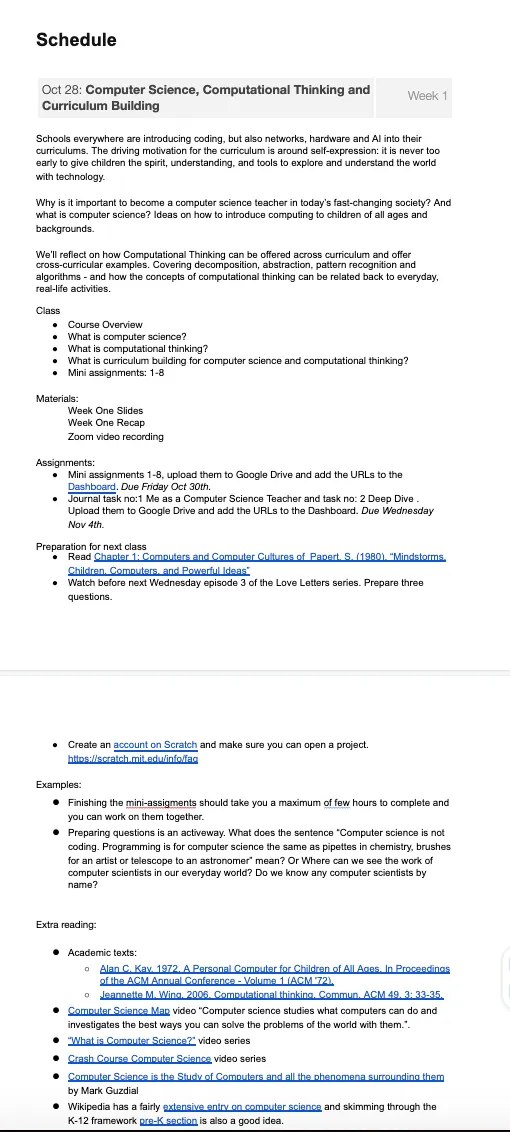
What the course covered:
- Computer science, computational thinking, and curriculum design
- Programming concepts and Scratch
- Data and algorithms
- Computer hardware and systems
- Computer networks
- Machine learning, AI, and assessment
- Diversity, equity, and inclusion in CS education
How it worked:
- Weekly Zoom lectures with breakout-room activities
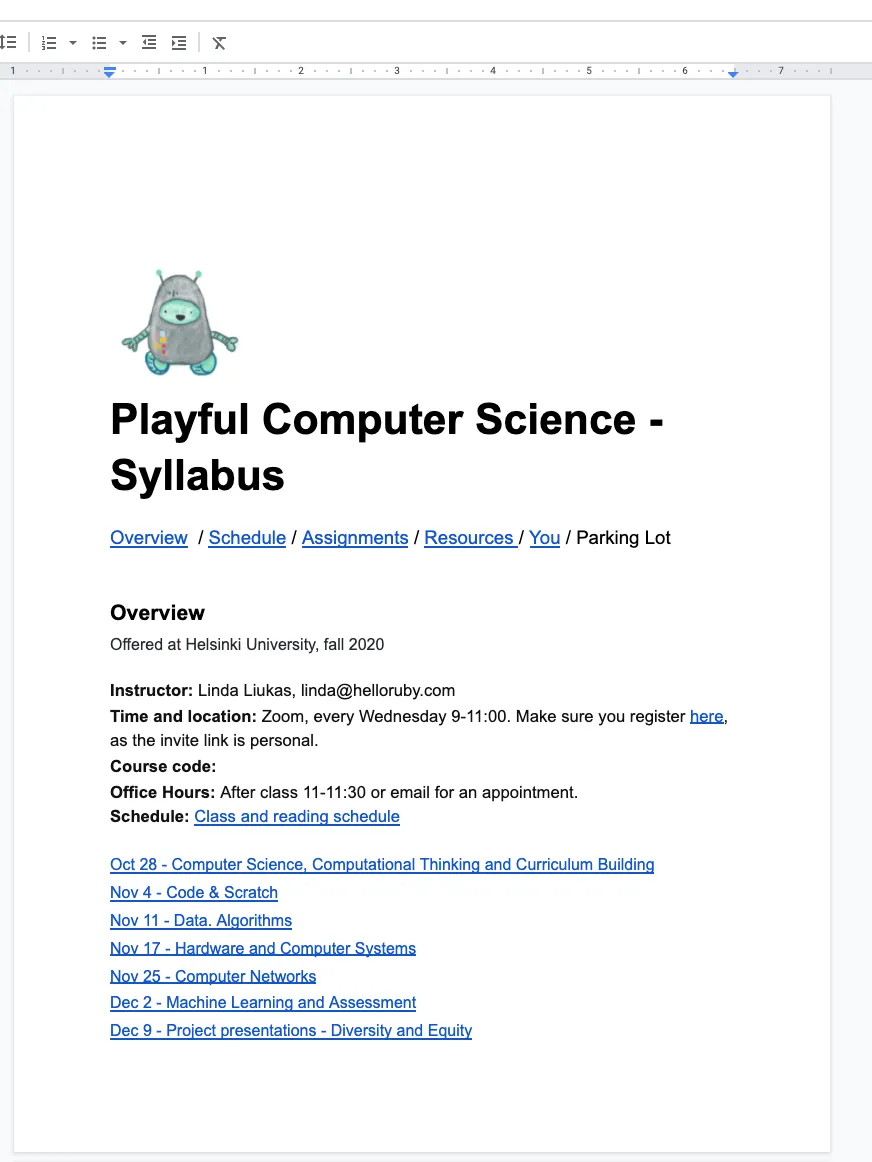
- 28 mini-assignments (drawing, writing, video, illustration — students chose their format)
- Reflection journal connecting theory to personal teaching identity
- Final project: an original lesson plan with activities, assessment, and peer feedback
- Required reading: Papert's Mindstorms, Guzdial on equitable access, and Vogel et al. on visions of CS education
No prior programming experience was required. The course was taught in Finnish with some materials in English, and all respondents rated it 5/5 overall.
WaYs We CaN WoRk ToGeThEr
Below are the main formats schools, districts, universities and cultural institutions tend to book. Each can be adjusted in depth, age range, and focus.
Keynote + hands-on workshop (½–1 day)
Ideal for conference and in-service days. A story-rich keynote on playful computing, AI literacy, or using public space as a classroom, followed by a practical lab where teachers try unplugged and low-tech activities linked to their own subjects.
Two-day intensive (cluster / region)
Day 1 builds foundations in playful computer science and AI in the classroom. Between sessions, teachers test activities with their students. Day 2 is for lesson-sharing, troubleshooting, and planning next steps for their school or region.
Site-specific PD for playgrounds
I'm hoping to organise a site-specific training around the Ruoholahti Computer Playground in late 2026. Drop me an e-mail if this interests you!
Online series and coaching
Short online series around themes such as AI literacy in primary grades or "computers across the curriculum", with optional coaching for digital leads and curriculum designers.
10-week blended "Train-the-Trainer"
Two in-person training days frame eight weeks of classroom experimentation, online prompts, and reflection. Teachers use a full year of lesson plans and materials, and emerge as local champions for computing and AI.
A typical 10-week journey: Kickoff day with hands-on foundations → 8 weeks of classroom experiments with weekly prompts and videos → Week 9 focus on pedagogy, equity & differentiation → Week 10 wrap-up with presentations and planning next steps.
WhAt YoU & YoUr ScHoOl GaIn
For teachers
- Identity as CS educators, not "I'm bad at computers"
- Concrete lessons they can run immediately, for different ages and contexts
- Language and tools to talk about AI, data, and networks with children
- Ways to assess invisible processes like problem decomposition and debugging
For schools & systems
- A cohort of teachers who act as local leaders and mentors
- Reusable materials fitted to existing curricula and standards
- Documentation and stories that support strategic plans for CS and AI
- A clearer, more humane narrative about technology to share with families and communities
What teachers say
"I can't remember the last time I was on a course where the lecturer was this enthusiastic about their subject and this inspiring. Linda's good energy was contagious and studying online felt much nicer than it usually has."
— Participant, 10-week online course
"The material we received from the course is exactly the kind you can take straight into your own teaching."
— Classroom teacher, 10-week course
"This was a much-needed course that offered concrete teaching methods and ideas. Throughout the course we kept in mind the children we are studying for."
— Early childhood education student
⭐ All respondents rated the course 5/5 overall and expected to use more than half of the ideas in their own classrooms.
ExPeRiEnCe & ReFerEnCeS
Universities & teacher education
Tampere University (honorary doctorate and collaborations on teacher education), Zurich Teacher Training University, Copenhagen Teacher Training University.
School systems & ministries
New York Department of Education, San Francisco Unified School District, Victoria Department of Education (Australia), Ministry of Education of Georgia, and regional education authorities in Europe and Asia.
Cultural & municipal partners
Cities, museums, and foundations developing playful computing exhibitions, playgrounds, and professional learning for educators and cultural workers — including the Ruoholahti Computer Playground in Helsinki.
Interested in working together?
Get in touch: linda@helloruby.com
Tell me about your teachers, your context, and what you're hoping to build.